
Shopping Cart
A BMX Race bike is set up in small increments: a couple of teeth of gearing, a few millimetres of stem or saddle setback change how you come out of the gate. These articles cover what can be adjusted, how to measure it and how to check you got it right.
The maths is worked through in full — ratio, gear inches, rollout in metres, real wheel diameters by rim and tyre width — with the formulas so you can redo the calculation yourself rather than copy a number.
The rest is mechanical compatibility: chain length, tension, drive standards, and what a change of tooth count forces elsewhere on the bike.

How to adjust your BMX during assembly
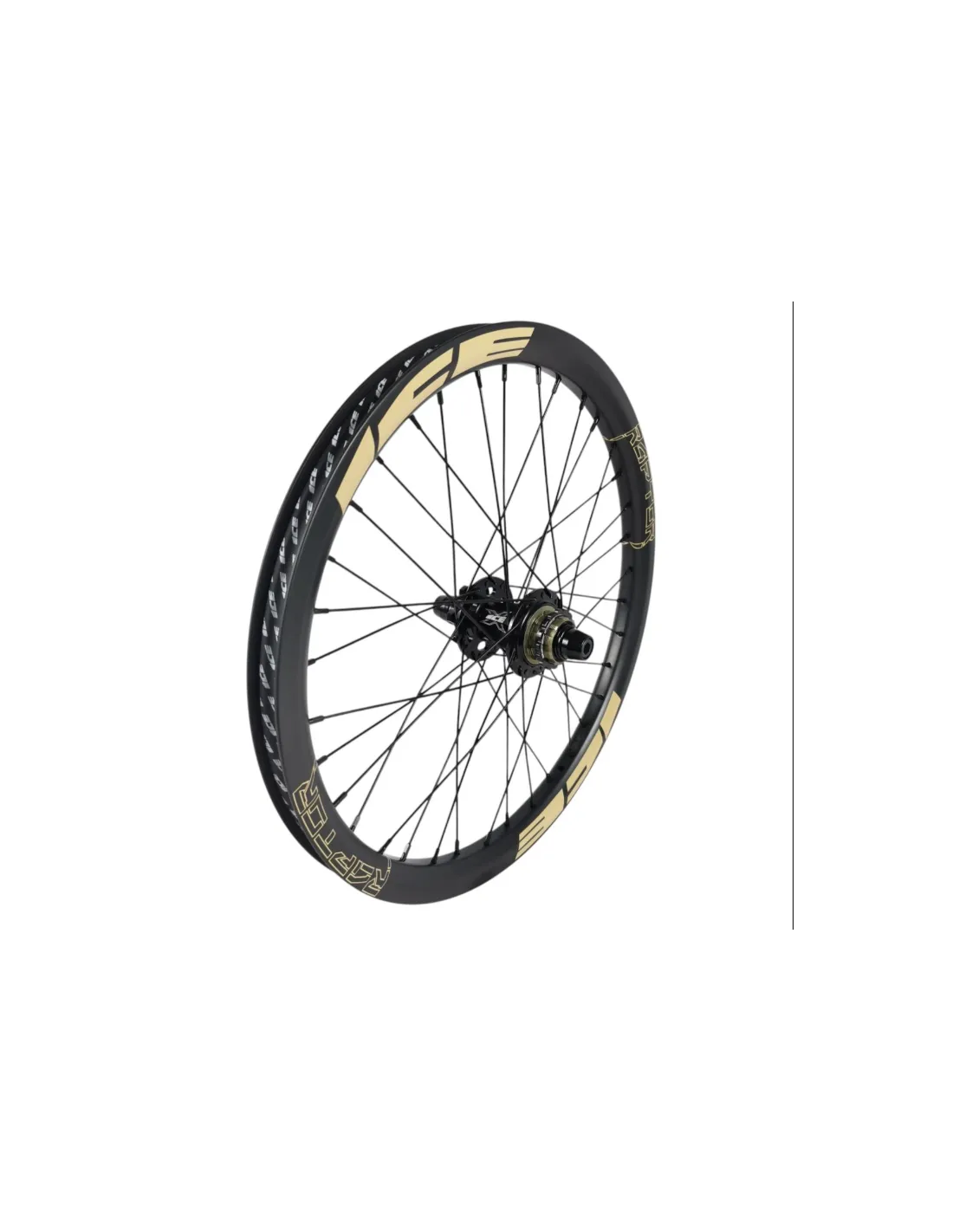
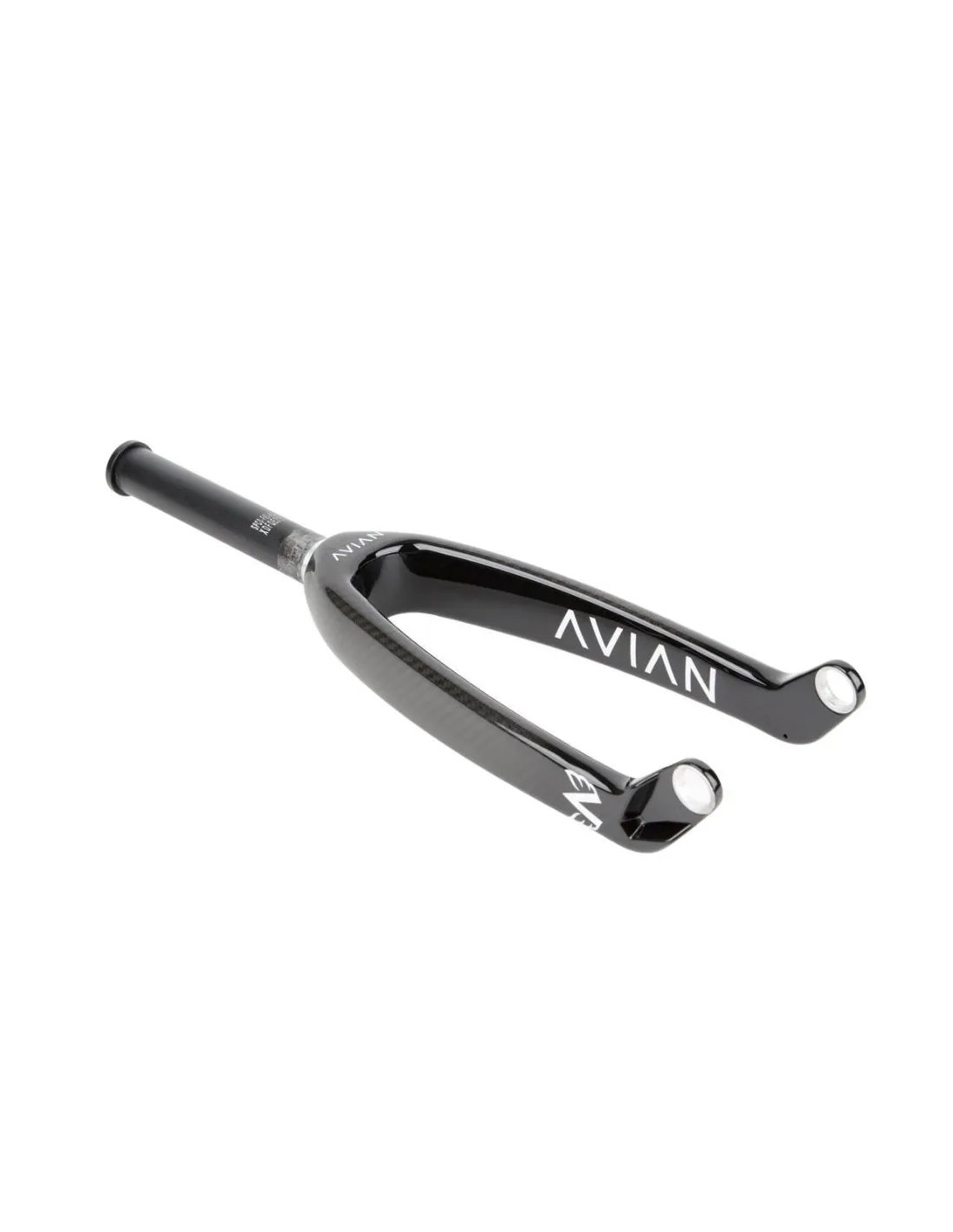
For a custom BMX build or for changing parts, you'll need several tools such as a Hollowtech wrench for tightening your bottom bracket or rear wheel lockring, a set of Allen wrenches for tightening everything from the headset and wheels to the seat, sprockets, chain tensioners, and wheels with 10 or 20mm female axles. You'll also need a chain tool for the drivetrain, a 15mm open-end wrench for tightening wheels with solid axles, tire levers, and a pump for mounting your tires.
Read more
BMX Gear Ratio Chart: Choosing Your Race Gearing
A BMX Race bike has one gear and one gear only. That single ratio has to survive the gate drop and still hold speed at the bottom of the first straight, over a moto lasting thirty-five seconds. Choosing it is arithmetic as much as feel. Here is the full BMX gear ratio chart, from 41x18 to 45x15, and the method behind it.
Read more