
Shopping Cart
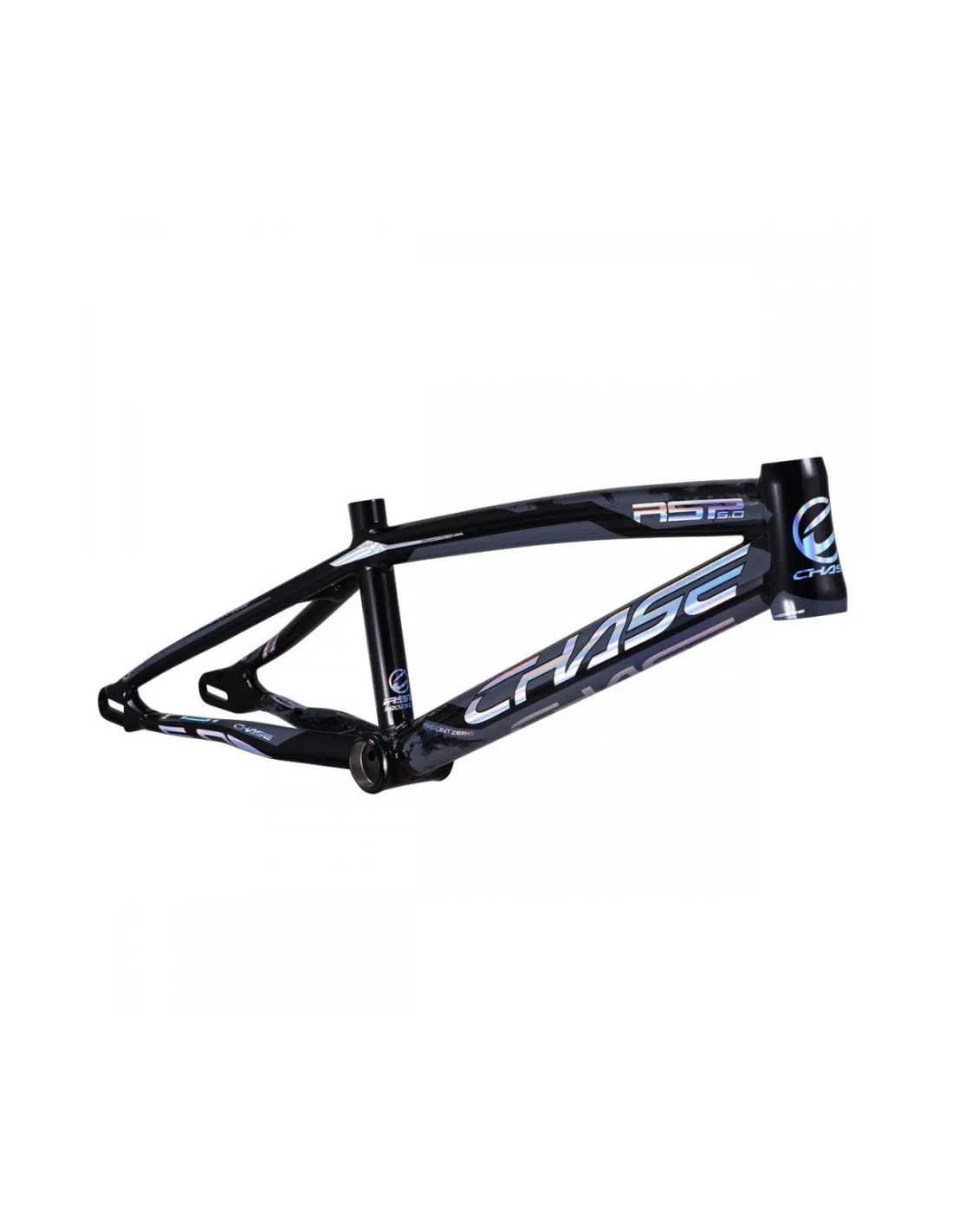
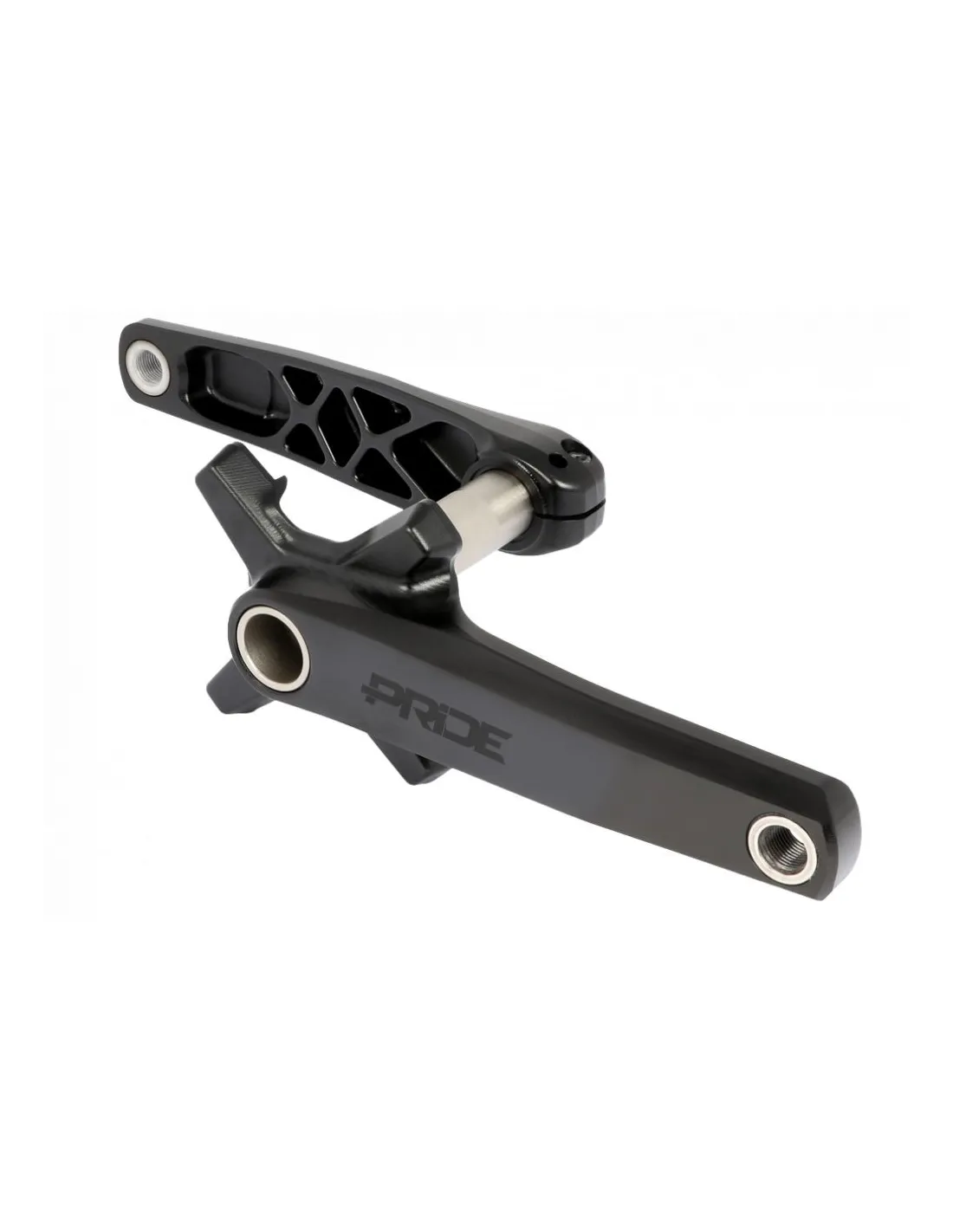
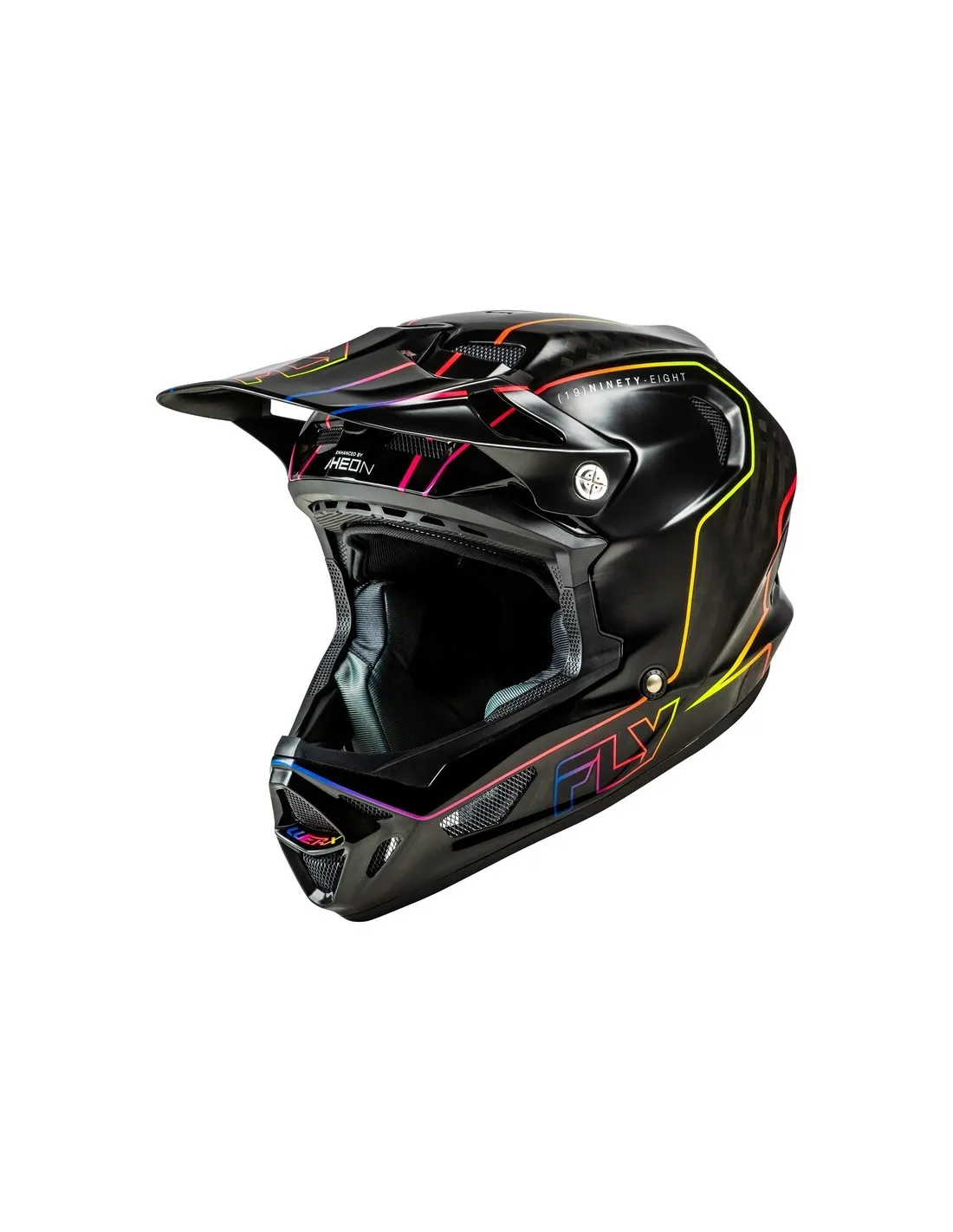
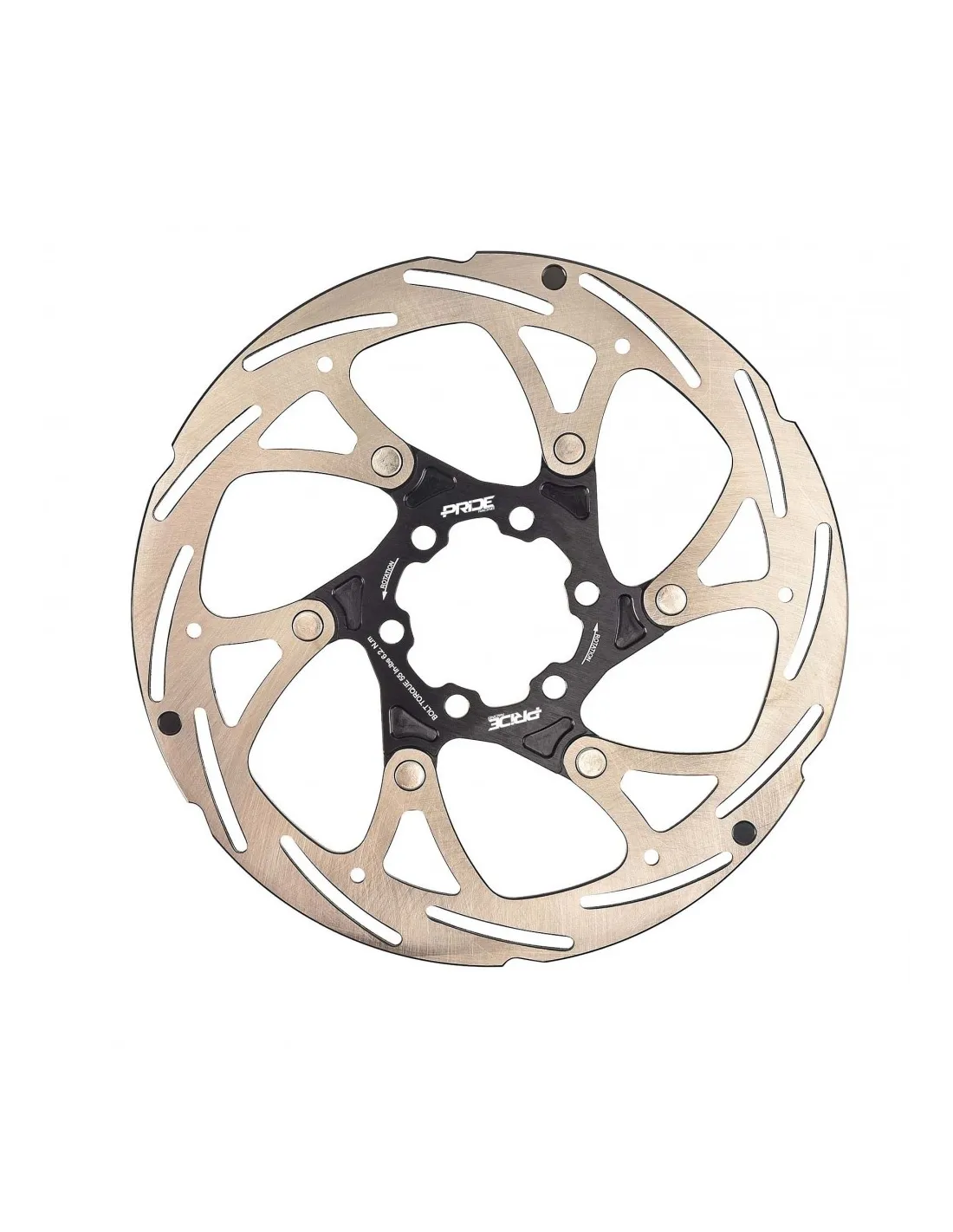
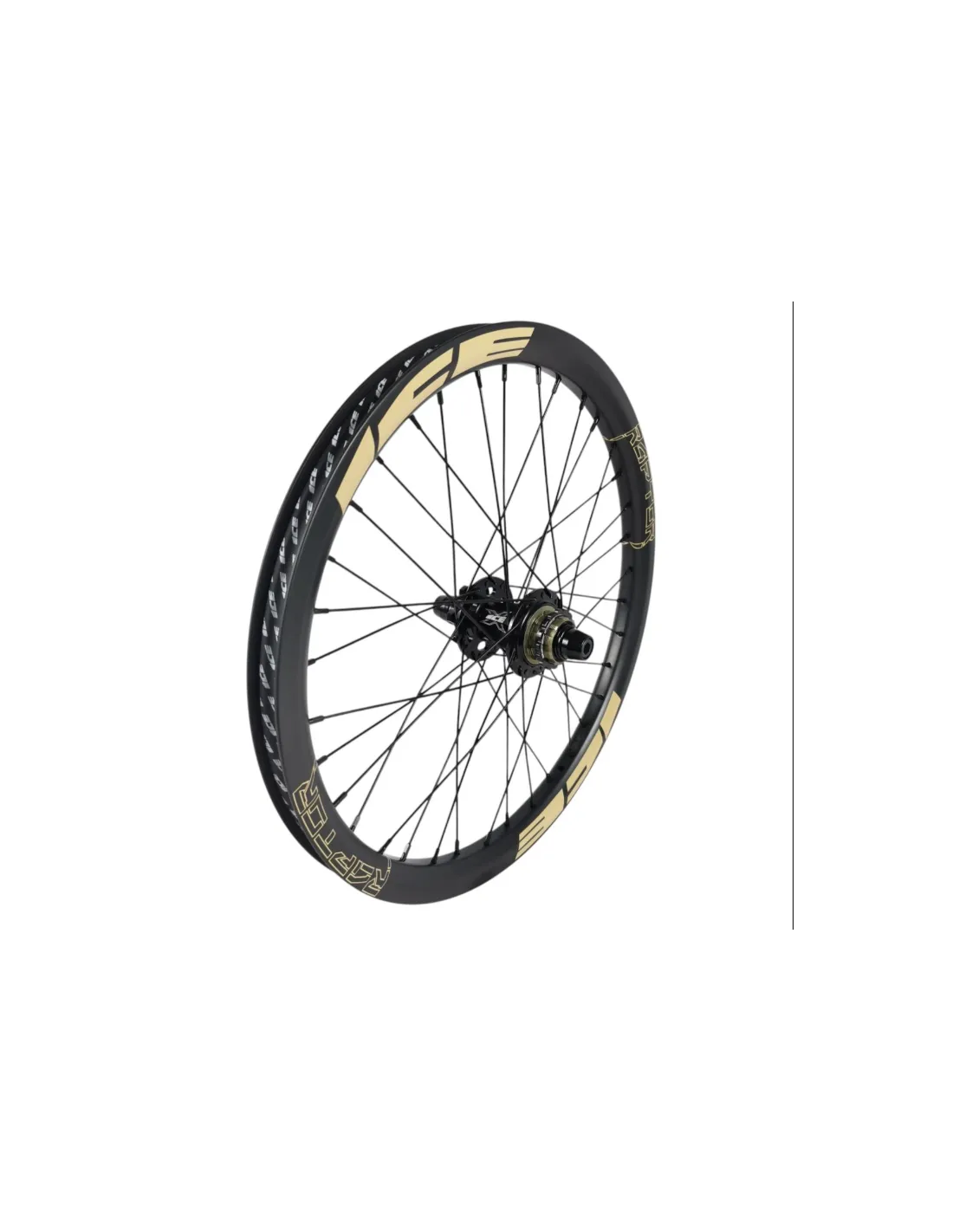
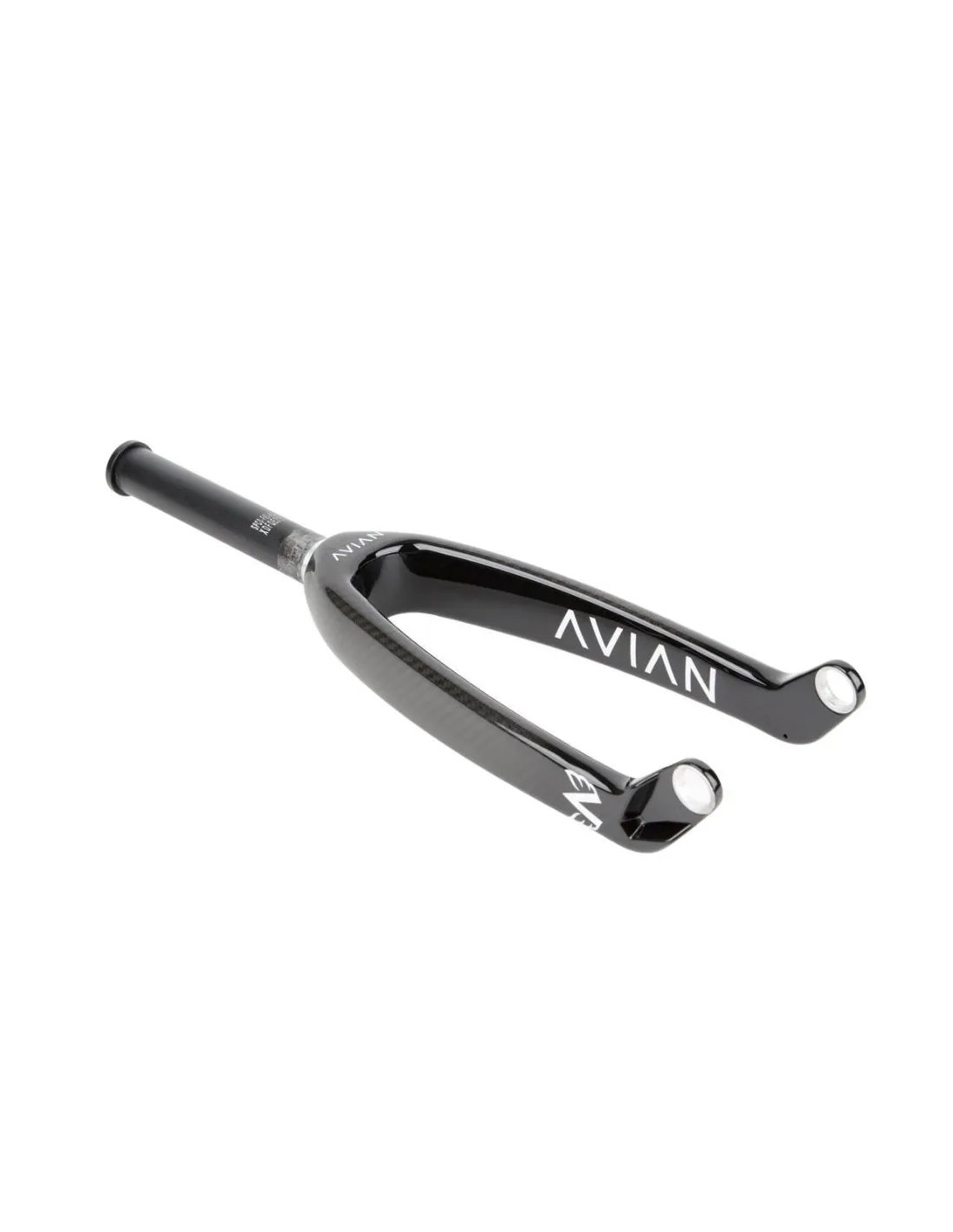
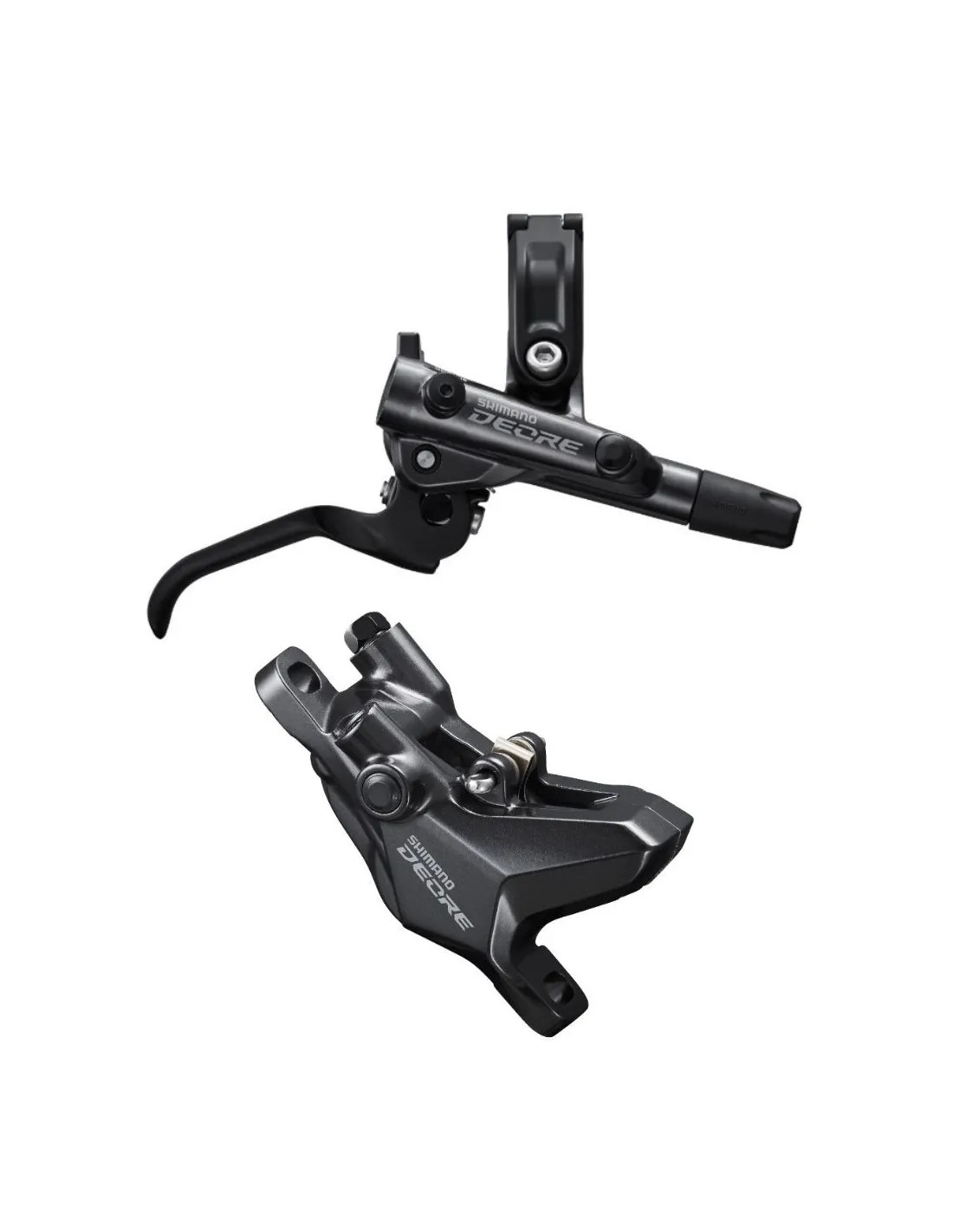

How to adjust your BMX during assembly
For a custom BMX build or for changing parts, you'll need several tools such as a Hollowtech wrench for tightening your bottom bracket or rear wheel lockring, a set of Allen wrenches for tightening everything from the headset and wheels to the seat, sprockets, chain tensioners, and wheels with 10 or 20mm female axles. You'll also need a chain tool for the drivetrain, a 15mm open-end wrench for tightening wheels with solid axles, tire levers, and a pump for mounting your tires.
Read more
BMX Gear Ratio Chart: Choosing Your Race Gearing
A BMX Race bike has one gear and one gear only. That single ratio has to survive the gate drop and still hold speed at the bottom of the first straight, over a moto lasting thirty-five seconds. Choosing it is arithmetic as much as feel. Here is the full BMX gear ratio chart, from 41x18 to 45x15, and the method behind it.
Read more
How to Start BMX Racing: The Complete Beginner's Guide
BMX racing is run on a dirt track, eight riders at a time, over a moto lasting around thirty-five seconds. You get into it through a club, from the age of four or five for a child and at any age for an adult, with a correctly sized bike and five pieces of kit made compulsory in competition — full-face helmet, a visor at least 10 cm deep, long-sleeve jersey, long race pants and full-finger gloves.
Read more
BMX Size Chart: Which Race Bike Size to Choose
This BMX size chart is read on rider height in centimetres, never on age. The top tube of the frame has to match the rider's height and their inside leg (inseam). Below is the full chart from Micro to Pro XXXL and Cruiser, how a race frame is measured, how to take the two measurements yourself, and how to settle the call when a rider falls between two sizes.
Read more